In today’s fast-moving markets, traditional supply chain processes are no longer enough to keep up with shifting demand, rising costs, and increasing customer expectations. That’s why leading companies are turning to AI-powered supply chain transformation solutions from A2Go.ai to turn planning from a static process into a dynamic, data-driven advantage. By embedding real-time intelligence into your supply chain operations, A2Go.ai helps businesses unlock significant gains in efficiency, revenue, margin, and overall supply chain performance.
Why is it Essential?
Businesses need AI-enabled S&OP to stay ahead of the game. Without it, they risk falling into the traps of outdated and inefficient operations. Businesses need it to:
Anticipate Customer Demand:
With accurate forecasts, companies can meet customer demands swiftly without delays.
Minimize Costs:
By optimizing inventory and reducing waste, companies save significant costs on storage and excess inventory.
Boost Collaboration:
AI fosters better communication between departments, aligning goals, and ensuring everyone is on the same page.
Adapt to Market Changes:
In today’s fast-paced market, the ability to adapt quickly is crucial. AI helps companies pivot strategies based on real-time data.
Stay Competitive:
In an increasingly data-driven world, leveraging AI gives companies a competitive edge to outperform rivals.
How Do We Deliver These Benefits?
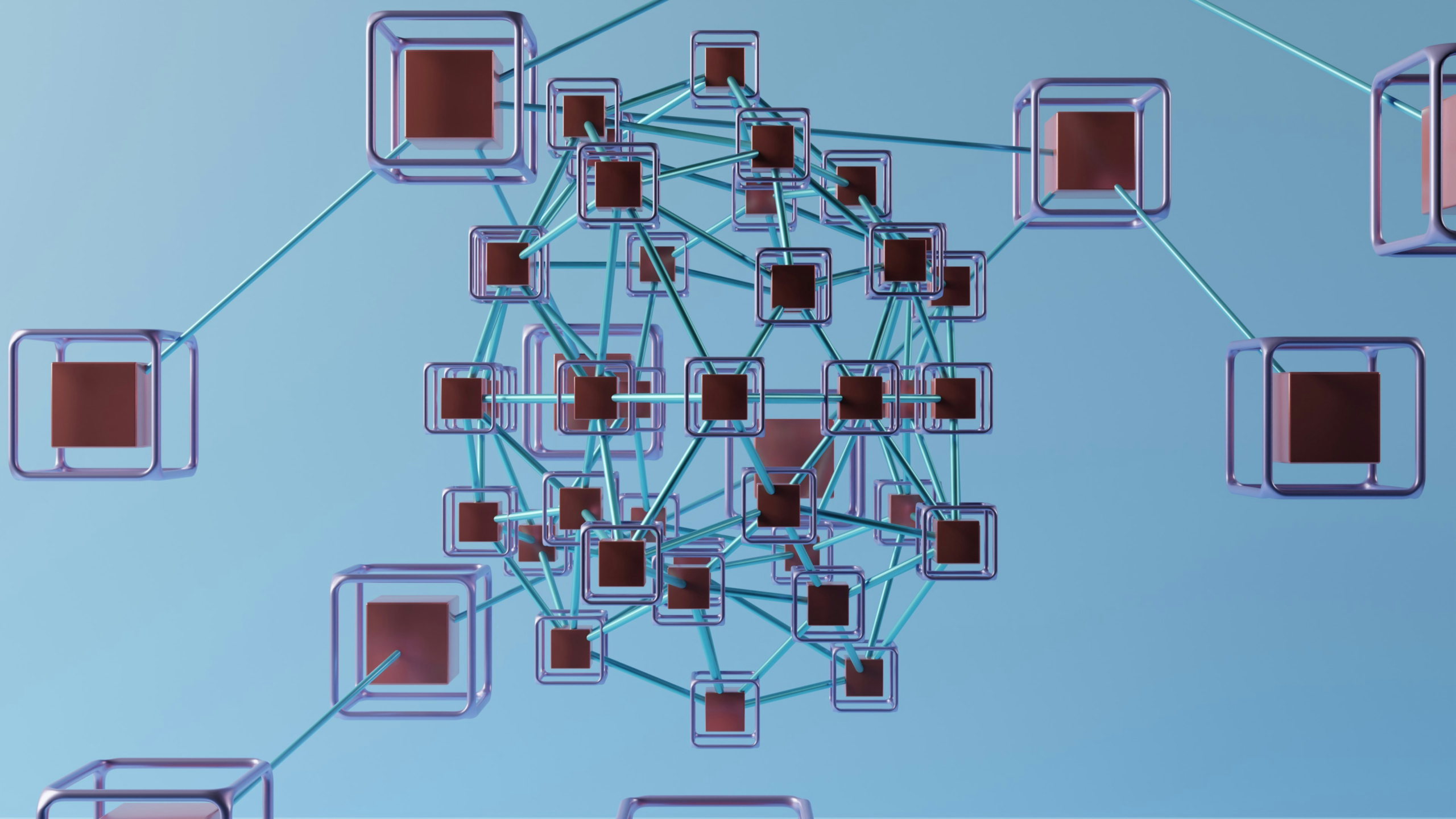
Systems
Manual Data Analysis: Human analysts have to sift through vast amounts of data manually, which is time-consuming and prone to errors. This leads to less accurate demand forecasting and inventory management. Lack of Integration: Disparate systems often operate in silos, making it difficult to get a unified view of the entire supply chain. This results in inefficiencies and misalignments between production and demand.
Transactional Systems
Repetitive Tasks: Routine tasks like order processing and invoicing require significant manual input, increasing the chance of mistakes and slowing down the process. Inconsistent Data: Manual entry can lead to inconsistencies and inaccuracies, complicating audits and financial reconciliations.
Execution Systems
Delayed Response: Without real-time data monitoring, identifying and addressing issues becomes reactive rather than proactive. This can lead to production delays and increased downtime. Complex Coordination: Synchronizing activities across different departments and stages of production is challenging without automated systems, leading to bottlenecks and inefficiencies.
Financial Systems
Time-Consuming Processes: Financial data entry, reconciliation, and reporting require extensive manual effort, which is both time-consuming and prone to human error. Limited Insights: Manual analysis limits the ability to quickly generate actionable insights, affecting strategic decision-making and financial planning.
Manual/Spreadsheets
Error-Prone: Spreadsheets are highly susceptible to human error, whether through data entry mistakes or miscalculations. These errors can lead to significant issues, especially in complex analyses. Lack of Real-Time Updates: Manual processes and spreadsheets do not update in real-time, making it difficult to get accurate, up-to-date information. This hinders timely decision-making.
Integration Challenges
Data Silos: Each system operates independently, leading to fragmented data. This makes it challenging to get a cohesive view of operations, impacting overall efficiency. Coordination Issues: Without a unified platform, coordinating between different systems requires manual effort and cross-departmental communication, which can be inefficient and error-prone.